

Running a GP clinic involves more than providing quality patient care. Doctors and clinic teams also manage appointments, patient records, billing, inventory, reporting, referrals and a wide range of administrative tasks every day.
As healthcare becomes increasingly digital, digital transformation for GP clinics is becoming an important way to simplify these processes, improve efficiency and create a more connected clinic environment.
But digital transformation does not have to mean changing everything overnight. For many clinics, it starts with using the right technology to make everyday tasks easier.
What Is Digital Transformation for GP Clinics?
Digital transformation refers to the use of digital technology to improve how a clinic operates and delivers its services.
For GP clinics, this can involve replacing manual or disconnected processes with digital workflows that bring important information together in one place.
This may include:
- Digital patient records
- Electronic prescriptions
- Digital billing
- Inventory management
- Clinic reporting
- eReferral
- Performance dashboards
- Cloud-based clinic management
The objective is not simply to “go digital”. Instead, technology should help clinics work more efficiently, reduce unnecessary administrative tasks and make information easier to access.
Why Does Digital Transformation Matter for GP Clinics?
Many clinics still rely on a combination of paper records, spreadsheets and separate systems to manage their operations. While these processes may work initially, they can become increasingly difficult to manage as the clinic grows.
Digital transformation can help address some of these challenges.
1. Reduce Administrative Work
Manual data entry and repetitive administrative tasks can take up valuable time.
A digital clinic management system can help streamline processes such as patient registration, billing and record management, reducing the need to enter the same information repeatedly.
This allows clinic staff to spend more time supporting doctors and patients.
2. Improve Access to Information
When clinic information is stored across different systems or physical files, finding the right information can take time.
A centralised digital platform allows authorised users to access relevant information more efficiently.
For clinic owners, this can also provide greater visibility into day-to-day operations and overall business performance.
3. Improve Inventory Management
Managing medicines and medical supplies is an important part of clinic operations.
Manual stock tracking can make it difficult to monitor stock levels, identify items that need replenishment or understand where wastage may be occurring.
Digital inventory management can provide better visibility over stock movement and availability, helping clinics make more informed decisions.
4. Simplify Billing and Reporting
Billing and reporting are essential to running a sustainable clinic, but manually compiling information can be time-consuming.
With digital systems, billing information and operational data can be recorded and organised more efficiently.
Clinic owners can also use reports and dashboards to gain better insights into areas such as revenue, patient activity and overall clinic performance.
What Should a GP Clinic Digitise First?
Digital transformation does not need to happen all at once.
Clinics can begin by identifying the processes that take up the most time or create the most operational challenges.
For many GP clinics, this could include:
Patient management – Moving towards structured digital patient records and more efficient workflows.
Billing – Streamlining the process from patient consultation to billing and payment.
Inventory – Improving visibility over medicine and medical supply stock.
Reporting – Making operational and business information easier to access and review.
Referrals – Using digital referral workflows to improve communication and coordination.
Management dashboards – Giving clinic owners clearer insights into business and operational performance.
Starting with these areas can allow clinics to gradually build a more connected digital environment without overwhelming their teams.
Choosing the Right Clinic Management System
A Clinic Management System (CMS) can play an important role in a clinic’s digital transformation journey.
However, choosing a system should not be based solely on the number of features available.
Clinic owners should consider whether the system:
- Is easy for staff to use
- Can support the clinic as it grows
- Connects different operational functions
- Provides useful reports and insights
- Supports multiple clinic branches where required
- Provides appropriate security and access controls
- Can integrate with other healthcare services and platforms
Most importantly, the technology should make the clinic’s workflow simpler rather than more complicated.
The Role of Cloud-Based Clinic Management
Cloud-based systems can provide additional flexibility for clinics, particularly those with multiple branches.
Instead of relying entirely on information stored on a single computer or physical server, authorised users can access their clinic management platform through the cloud.
This can make it easier for clinic owners and management teams to monitor operations across different locations and access important information when needed.
For growing clinic groups, having a more centralised view of operations can support better decision-making and management.
Building a More Connected GP Clinic
The future of digital healthcare is not simply about replacing paper with computers. It is about creating a connected healthcare ecosystem where different parts of the clinic work together more efficiently.
Patient management, billing, inventory, reporting and referrals can become part of a more integrated workflow.
For clinic owners, this can mean better visibility and control.
For clinic staff, it can mean fewer repetitive administrative tasks.
And for patients, smoother internal processes can contribute to a better overall clinic experience.
How CXremedi Supports Digital Transformation
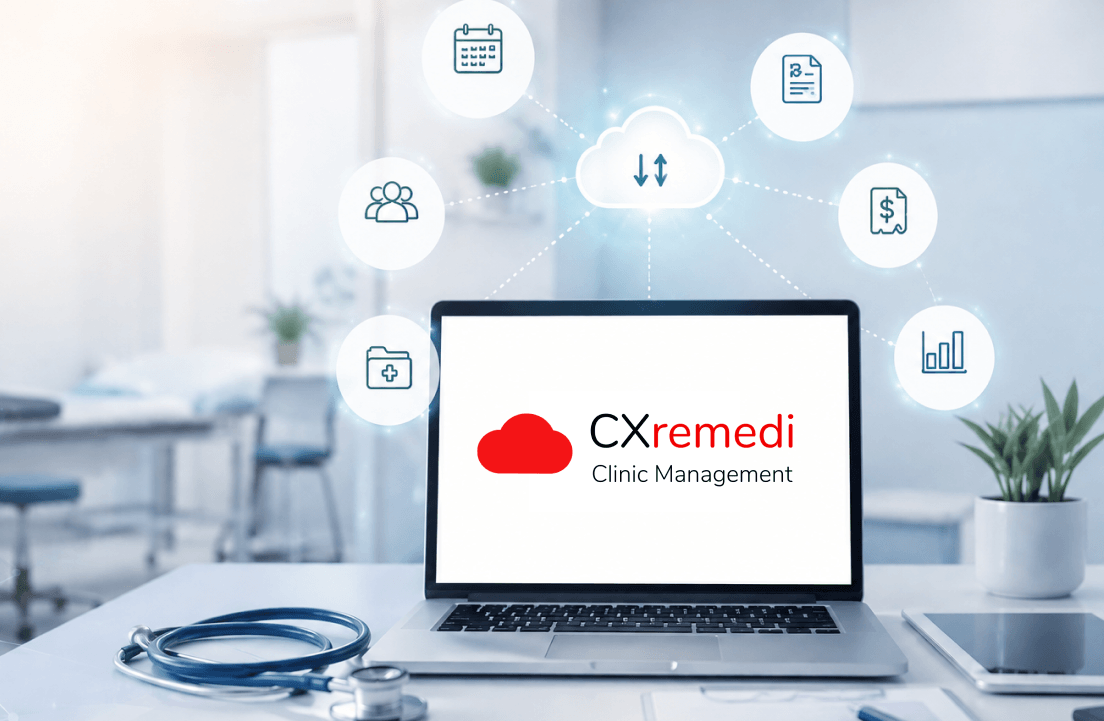
CXremedi is a cloud-based Clinic Management System designed to help clinics manage their everyday operations through a connected digital platform.
It brings together key functions including patient management, e-prescriptions, billing, reporting, inventory management and eReferral.
By bringing these functions together, CXremedi helps clinics move away from fragmented processes and towards a more streamlined digital workflow.
For GP clinics considering digital transformation, the journey does not have to begin with a complete overhaul. It can start by identifying the areas that create the most operational challenges and finding technology that can make those processes easier.
Conclusion
Digital transformation for GP clinics is ultimately about working smarter, not simply using more technology.
The right digital tools can help clinics reduce administrative workload, improve access to information, manage operations more effectively and gain better visibility into their performance.
As healthcare continues to evolve, clinics that embrace connected digital workflows can be better positioned to adapt, grow and deliver a more seamless experience for both their teams and patients.
For GP clinic owners, the first step is simple: identify what is slowing your clinic down, and find the right technology to make it easier.