

The Growing Case for a Clinic Management System
Running a private clinic in Malaysia in 2026 means juggling far more than patient care. Owners and front-desk staff are expected to handle appointment scheduling, electronic medical records (EMR), medication dispensing, multi-branch coordination, and — since LHDN’s e-Invoice (MyInvois) mandate took full effect — automated tax compliance. A clinic management system (CMS) is the software layer that ties all of this together into one platform, replacing paper files, spreadsheets, and disconnected tools.
The Malaysian CMS market is crowded, with dozens of local and regional vendors chasing the same GP clinics, dental practices, aesthetic centres, and veterinary clinics. Amid that noise, Remedi — marketed under the CXremedi brand — has built one of the more established local positions in the market. This article looks closely at what Remedi actually offers, why that matters for a Malaysian clinic’s day-to-day operations, and what to weigh up before choosing it (or any CMS).
What a Modern Malaysian CMS Needs to Do
Before diving into Remedi specifically, it helps to set the baseline expectations for any competitive clinic system operating in Malaysia today:
- LHDN e-Invoice / MyInvois integration — increasingly a legal requirement, not a nice-to-have
- Patient records and EMR — searchable histories, prescriptions, digital signatures where relevant
- Appointment scheduling and queue management — often paired with SMS or WhatsApp reminders, since WhatsApp is the dominant patient communication channel in Malaysia
- Billing, panel claims, and SST/insurer handling
- Inventory and dispensary tracking
- Multi-branch visibility for clinic groups
- Cloud access so records are available securely from any device or location
Against that checklist, here’s a closer look at how Remedi is built and positioned.
Remedi: Company Background and Market Position
Remedi is a Cyberjaya-based digital health company led by Managing Director Dr. Khairul Faizi Khalid. By mid-2026, the company reported that more than 800 clinics across Malaysia were using its clinic management platform — a scale that reflects real, sustained adoption rather than a newly launched product still finding its footing. Earlier coverage of the company also highlighted its pricing philosophy: Remedi’s founder has described building the platform from the ground up without paying third-party licensing fees, specifically to keep the cost of access low for hospitals, clinics, and general practitioners.
Core Features That Set Remedi Apart
Broad clinical coverage across dental and general practice.
The platform is explicitly built to serve both dental and general practice clinic, which is a meaningful advantage for mixed practices or clinic groups that don’t want to run two separate systems for two different specialties. Core functionality includes cloud-accessible medical records, an appointment and reminder system, SMS campaigns (including automated birthday outreach to patients), and virtual consultation support with built-in payment collection — covering both clinical and patient-engagement needs from a single dashboard.
Operational depth beyond basic scheduling.
Remedi tracks medication and stock levels, generates digitally signed prescriptions and medical documents in compliance with the Digital Signature Act, and gives clinic groups a multi-branch administration panel with the option of a white-label subdomain or a fully custom domain. For a clinic that’s scaling from a single location to several branches, that administrative visibility matters — owners can see across their whole chain from one interface rather than logging into separate systems per branch.
Dental-specific AI tooling.
Through a partnership with Derec, Remedi offers a dental charting system that includes an “Endo AI” feature capable of proposing a diagnosis based on the tests a clinic runs on a patient. This is a genuine differentiator for dental practices — most general-purpose CMS platforms don’t go this deep into specialty-specific clinical support.
Regulatory and infrastructure credibility.
Remedi has been awarded Malaysia Digital (MD) Status by MDEC, and its clinic management software has been validated as an AWS-qualified solution as part of an official AWS partnership. For a clinic owner without a technical background, these third-party validations are a useful proxy for infrastructure reliability and data-handling standards, since they aren’t something a vendor can self-certify.
Automated e-Invoicing.
The platform’s login portal advertises that its CMS is directly connected to the MyInvois LHDN portal, with the entire submission process fully automated — a compliance requirement that’s now unavoidable for most Malaysian businesses, clinics included.
Embedded access to business financing.
Perhaps Remedi’s most distinctive advantage: in 2025, the company announced a strategic partnership with CGC Digital (the fintech arm of Credit Guarantee Corporation Malaysia) and Seedflex to embed business financing options directly inside the clinic management platform</cite>. Many private clinics operate as SMEs with real working-capital needs — equipment purchases, branch expansion, cash-flow gaps — and having financing access built into the same platform clinics already use daily removes a genuine friction point that most CMS vendors simply don’t address.
Investment in the primary-care community.
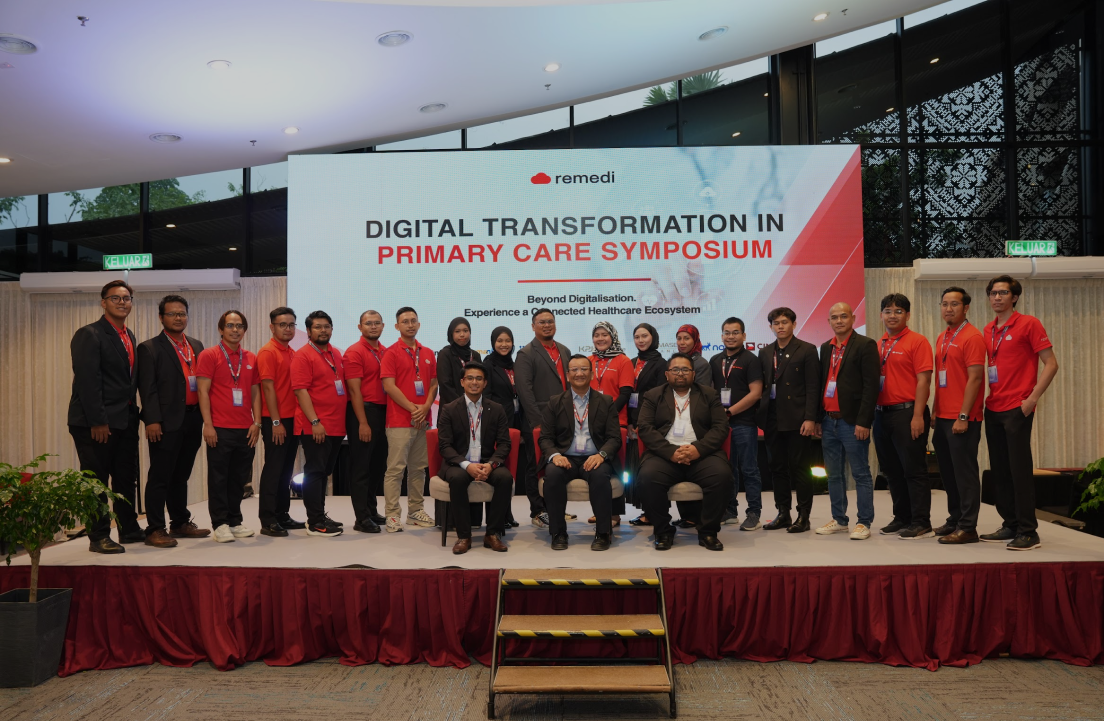
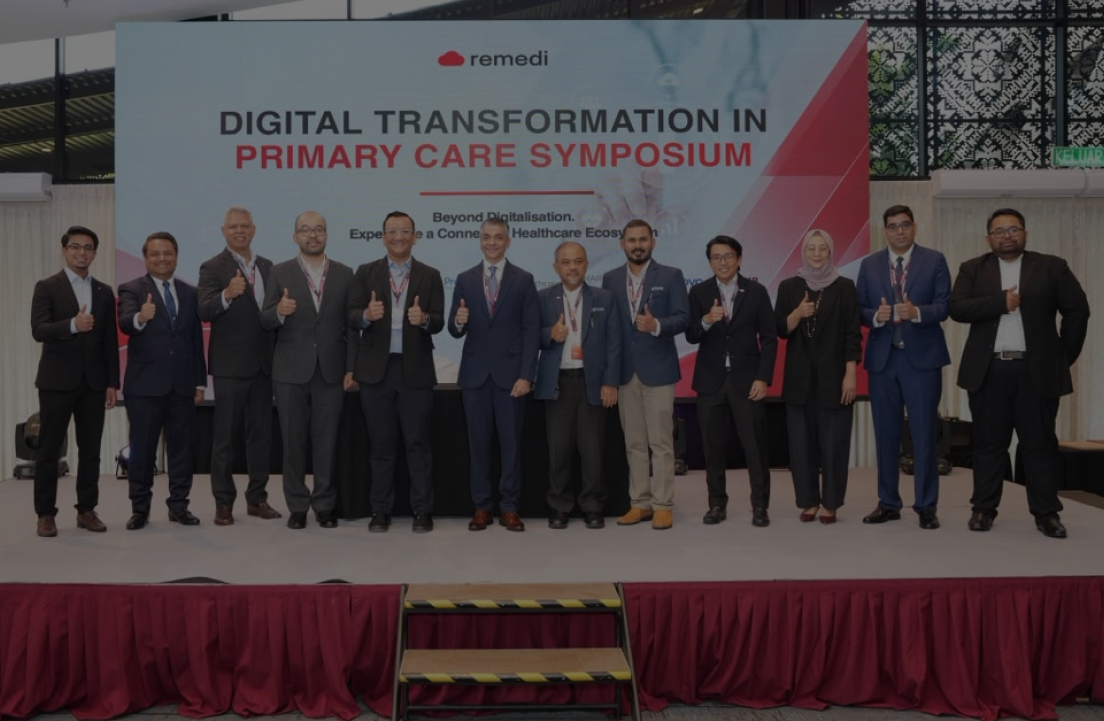
Beyond the product itself, Remedi has organised its own industry events, including a “Digital Transformation in Primary Care” symposium bringing together GPs, clinic owners, healthcare administrators, and industry stakeholders to discuss the future of digital adoption in primary care — a sign of a vendor investing in the broader ecosystem it serves, not just selling software.
Why a Clinic Might Choose Remedi
Putting the features together, a few practical reasons stand out for why a Malaysian clinic — particularly a GP or dental practice, or a group running both — might choose Remedi over a generic or single-purpose alternative:
- One system for GP and dental workflows.
Clinics that offer both general and dental services avoid the cost and complexity of running two separate platforms. - Proven adoption at scale.
With 800+ clinics already on the platform, Remedi isn’t an unproven newcomer — there’s a track record and an active user base to draw references from. - Financing built in, not bolted on.
The CGC Digital/Seedflex partnership addresses a real SME pain point that most competing CMS platforms leave entirely unaddressed. - Verified cloud infrastructure.
MDEC and AWS validation gives non-technical clinic owners a credible signal of reliability without needing to evaluate server architecture themselves. - Specialty-aware clinical tools.
The Derec-powered dental AI charting goes beyond basic record-keeping into decision support for dental diagnoses. - Cost-conscious foundation.
The platform’s original pricing philosophy — built without third-party licensing overhead — was specifically designed to keep costs accessible for smaller practices.
What to Confirm Before Signing
No matter how strong a vendor’s positioning looks, a few things are worth verifying directly with Remedi during a demo, rather than taking marketing pages at face value:
- Exact panel billing and claims workflow for your specific insurers or TPAs
- Current pricing tiers for your clinic’s branch count and module needs (published pricing isn’t always front and centre on vendor sites)
- Real customer references in your specific specialty, not just published case studies
- Data migration support if you’re moving off an existing system — ask how long it takes and what it costs
The Bottom Line
Remedi has built a genuinely differentiated position in the Malaysian CMS market: broad dental-and-GP coverage, verified cloud infrastructure through MDEC and AWS, specialty-specific AI tooling for dental practices, and — most notably — embedded access to SME financing that addresses a real gap most competing platforms ignore. For a clinic weighing its options, those are concrete, checkable advantages rather than vague marketing claims. The sensible next step is the same one that applies to evaluating any software purchase: request a live demo using your own patient scenarios, get e-Invoice handling and pricing details in writing, and speak to an existing Remedi customer in your specialty before committing.